8 Metal Roofing Myths Debunked

By James Alpeter
Marketing Manager–Siding, Stone & Roofing
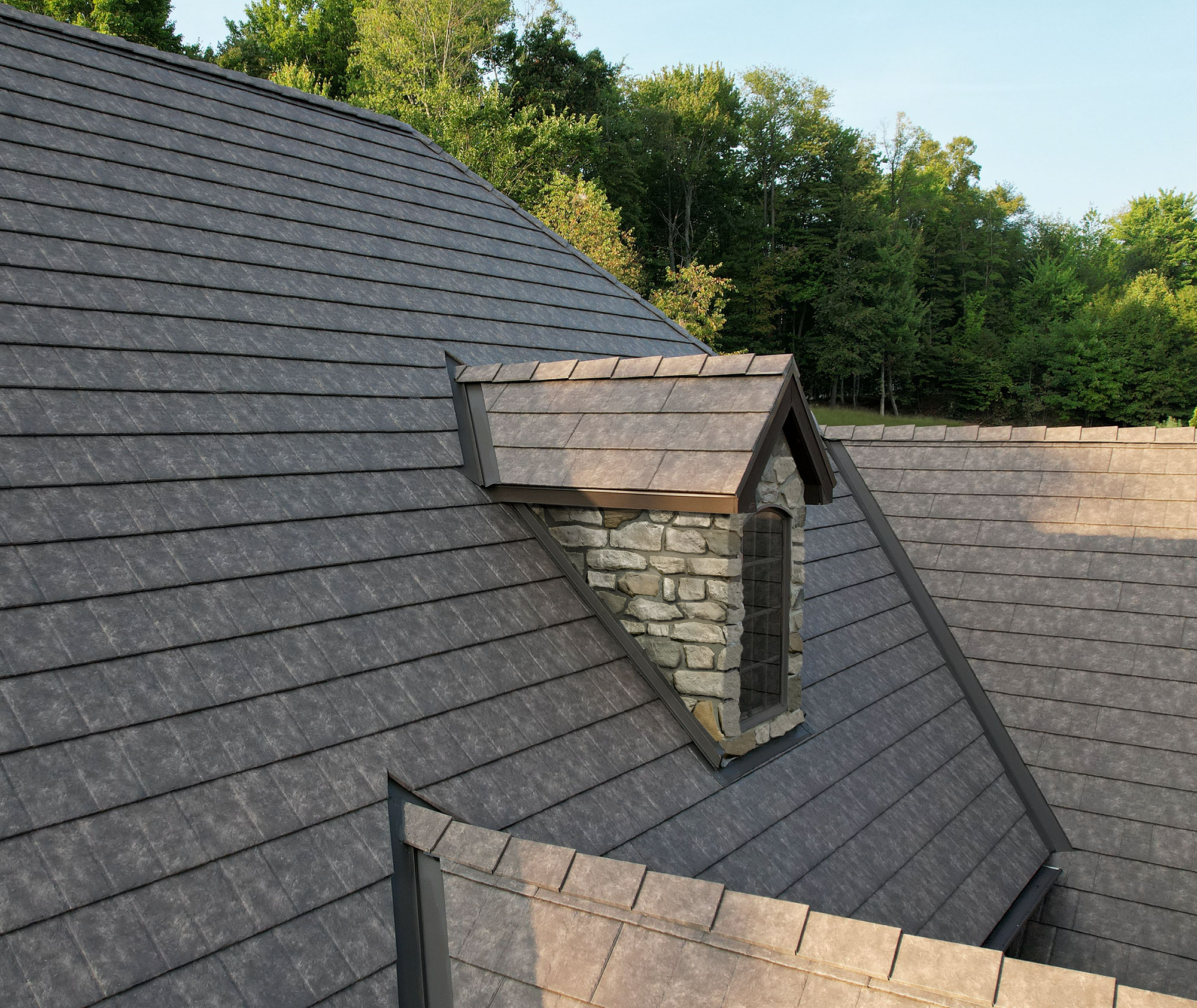
If you are considering a metal roof to replace your worn-out, faded asphalt shingles or for a new home build, you’re making a smart choice. A metal roofing system is worth the investment and has an expected product lifespan of 50+ years. Metal is tougher, more durable, safer, and longer-lasting than asphalt. Metal roof systems offer energy cost savings, withstand extreme weather, and boost resale value.
Even with all the long-term benefits, in some circles, metal roofs still have several unsubstantiated myths surrounding them. Let’s debunk the most prevalent myths about metal roofing.
Myth 1: Metal roofs rust
Rust occurs when iron reacts with oxygen and water, causing oxidation that deteriorates the metal. ProVia metal roofing panels are treated with a premium architectural coating system that prevents moisture from reaching the metal. Multiple layers of primer, epoxy, zinc, and base, decorative and finish coats, plus a zinc galvanized coating on both the exterior and underside, ensure each panel is protected. In fact, ProVia roofing has 11 total layers of anti-corrosive coating to shield it from oxidation and prevent rust from forming.
Myth 2: Metal roofs are easily dented by hail
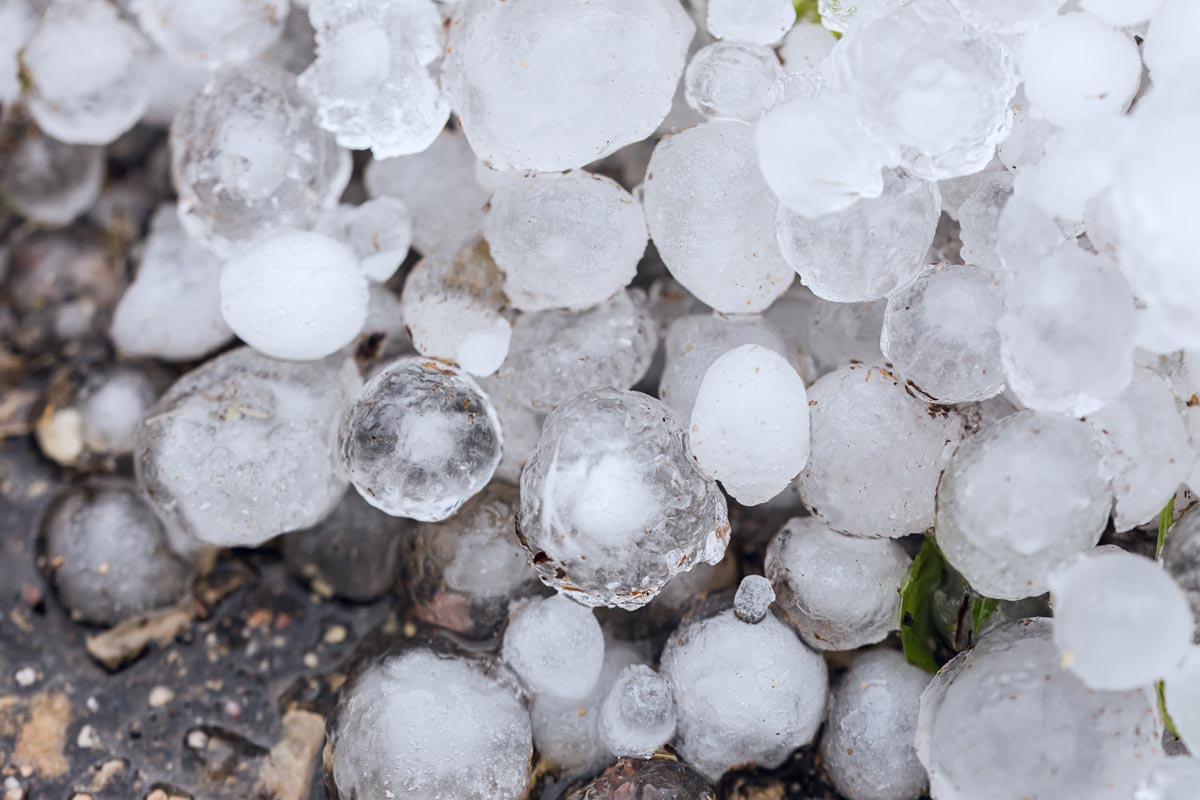
In many areas across the country where extreme weather can occur, metal roofs are the better choice for residential homes, so much so that many insurance companies offer price breaks* with metal roof systems. ProVia metal roofing is enhanced with a GalvaTec™ resin-based finish that strengthens the surface of the panels and protects it from hail damage, plus it’s certified with a Class 4 impact resistance rating. (*Always check with your insurance company for specifics about homeowner insurance premium reductions.)
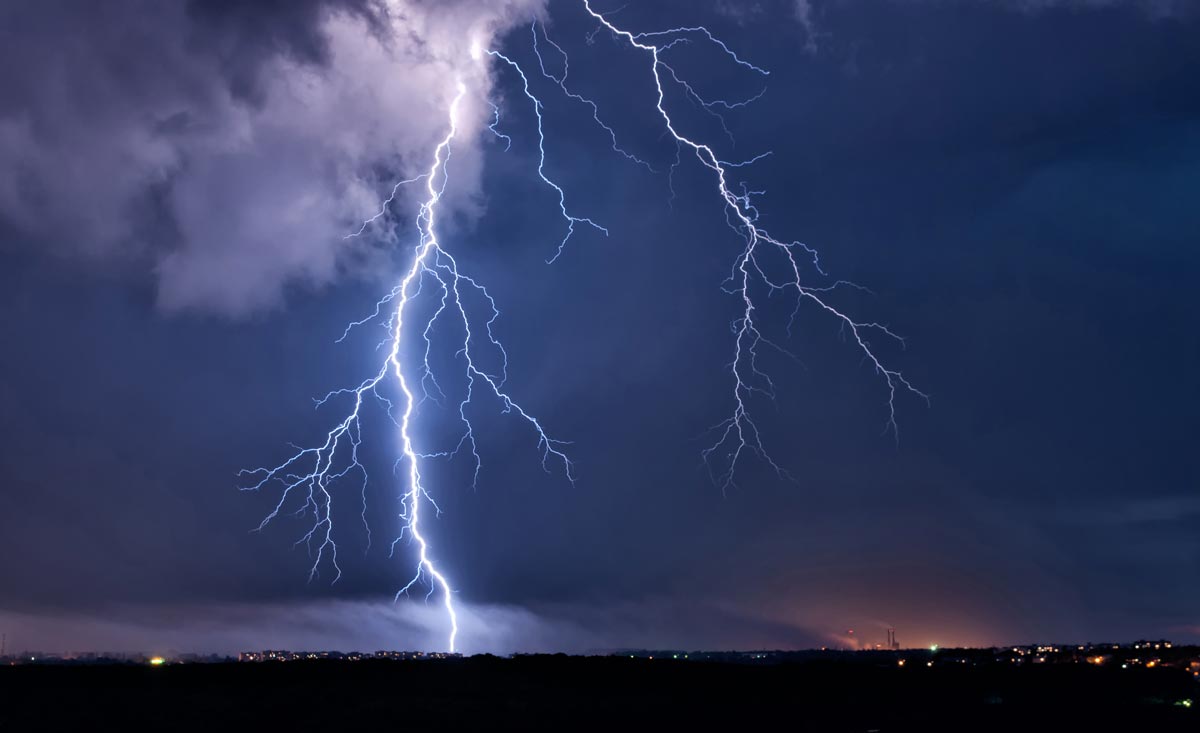
Myth 3: Metal roofs attract lightning
While metal can be a conductor of lightning, metal roofs do not “attract” lightning. Metal is one of the best roofing materials to have if your home were be struck by lightning. Metal works to disperse energy safely through the structure of the home rather than allowing it to penetrate or spontaneously ignite or shock. And metal is noncombustible, so if lightning does hit, a metal roof will not catch fire.
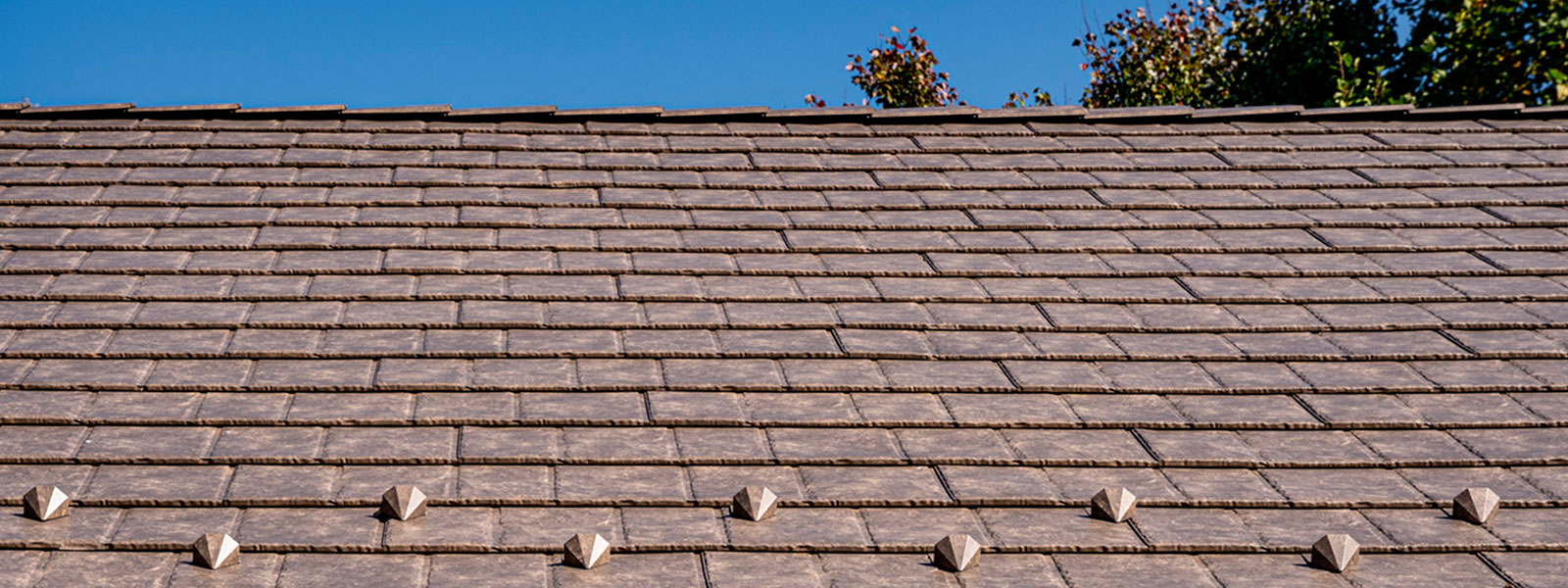
Myth 4: Metal roofs attract heat
Asphalt roofs absorb heat with their petroleum and granular composition, while in comparison, metal roofing releases solar heat much more quickly.
Most ProVia metal roofing profiles include a Cool Roof compliant paint system that reflects UV rays and reduces the heat load, providing up to 30% energy savings. Even our dark shades like Coalstone Slate and Bronzewood Shake, while not “cool roof” colors, won’t contribute to raising the temperature in your home when properly installed.
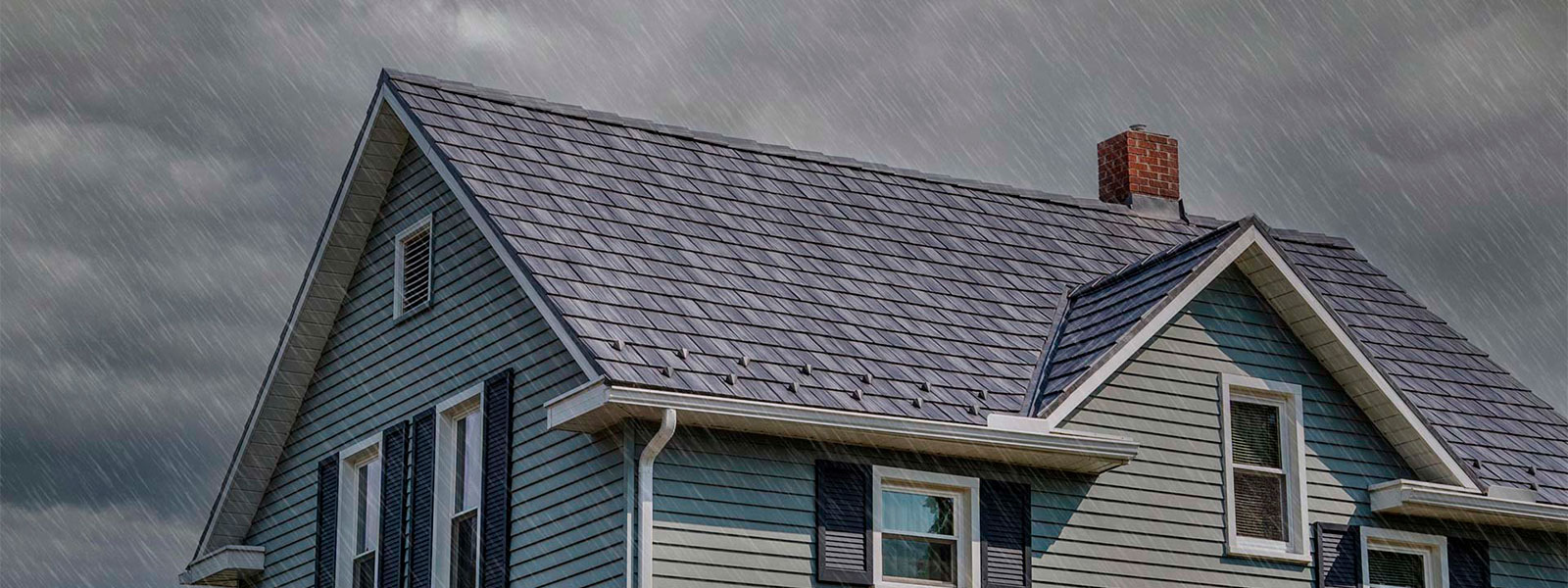
Myth 5: Metal roofs are noisy when it rains
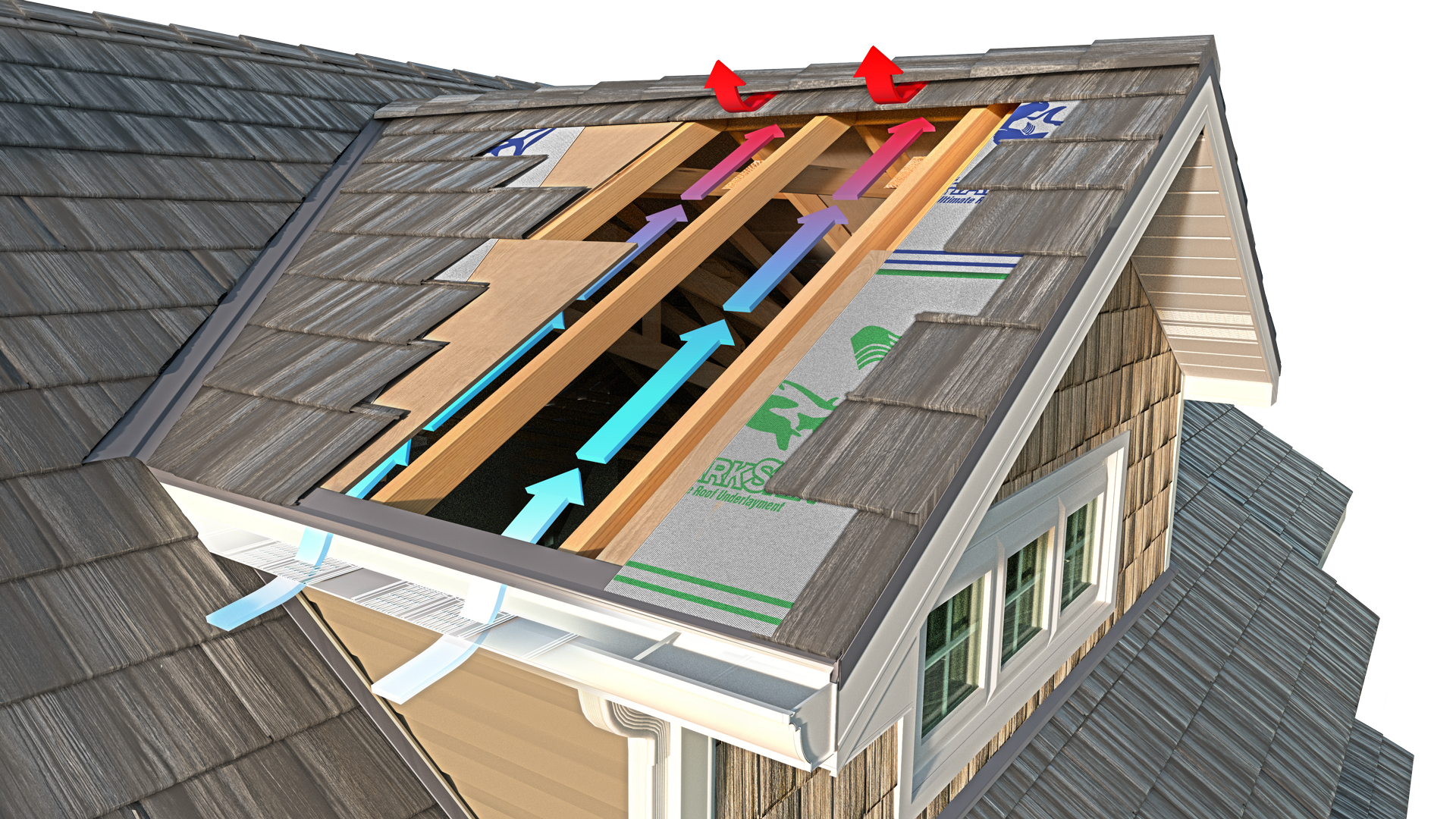
When installed properly, residential metal roofing systems are not noisier than other roofing systems. In residential structures, roofing is a complete system that includes the attic space in the home, the roof deck, underlayment materials that prevent moisture, and interior insulation, all of which help absorb sound. The myth that metal roofs are noisy stems from barns or amphitheaters, where open interiors and the absence of structural decking and insulation allow the sound of rain to echo and amplify.

Myth 6: Metal roofs affect cell phone reception
Metal roofing does not interfere with cell phone reception, allowing radio signals to pass through with little disruption. Metal roofing is no different in this regard than other common building materials like brick or concrete.
So no worries – you can surf the web, talk on your phone, and watch your favorite videos without disruption.
Myth 7: Metal roofing is heavy
Metal panel roofing systems are heavy-duty, not heavyweight. The average per-square weight for an asphalt shingle roof is 240-270 lb., and for slate is 800-1500 lb. By contrast, a metal roof system is much lighter, coming in at a per-square-weight of only 108 lb.
ProVia metal roofing is 67% lighter than asphalt shingles and is made with up to 30% more galvanized steel than the industry average, so you get the added strength of steel without any added weight.
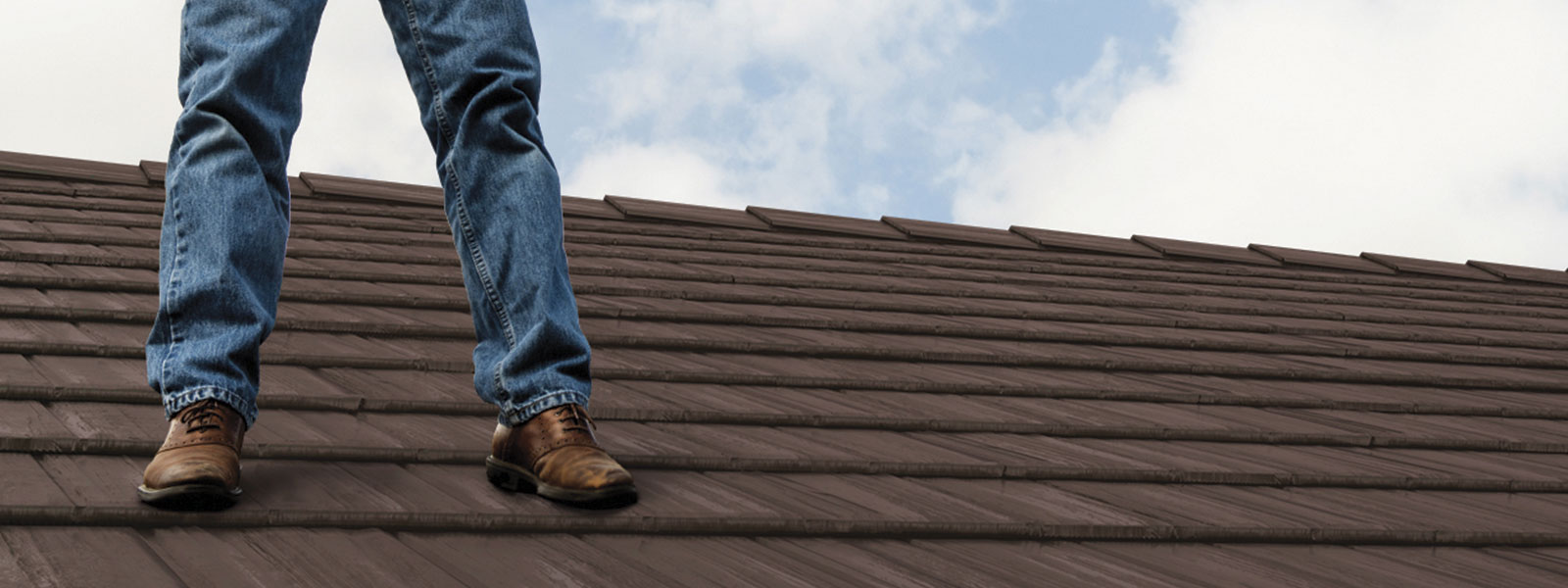
Myth 8: You can't walk on a metal roof
Tin roofs that bend, buckle, or crumple are a thing of the past – today’s metal roofing is substantially stronger. You can walk on a ProVia® metal roof if necessary and shouldn’t be afraid to do so while cleaning the gutters, picking up storm debris, or fetching a Frisbee™. ProVia shake, slate, and barrel tile metal roofing is made with strong 26-gauge galvanized steel, and with the supporting roof deck, the roof can easily withstand a person walking on it without causing damage.
To guarantee your physical safety, be sure to ask the contractor or the manufacturer where and how to walk on the roof and never walk on it when it is wet or extremely dusty.
Learn more about the benefits of a ProVia metal roofing system and the science behind it, or watch how our metal roofing is made.
Last Updated: July 22, 2026
By James Alpeter
Marketing Manager–Siding, Stone & Roofing
Stay up to date with our latest blog articles